
In an era where efficiency, sustainability, and worker comfort are paramount, innovative labor camp designs are increasingly essential. Lida Group, a leader in the prefabricated construction industry, has risen to meet these demands with its cutting-edge approach to labor camp design. This article explores the myriad benefits of Lida Group’s prefab labor camps, focusing on design innovations, sustainability practices, and the overall impact on worker satisfaction and productivity.
Understanding Labor Camps
What Are Labor Camps?
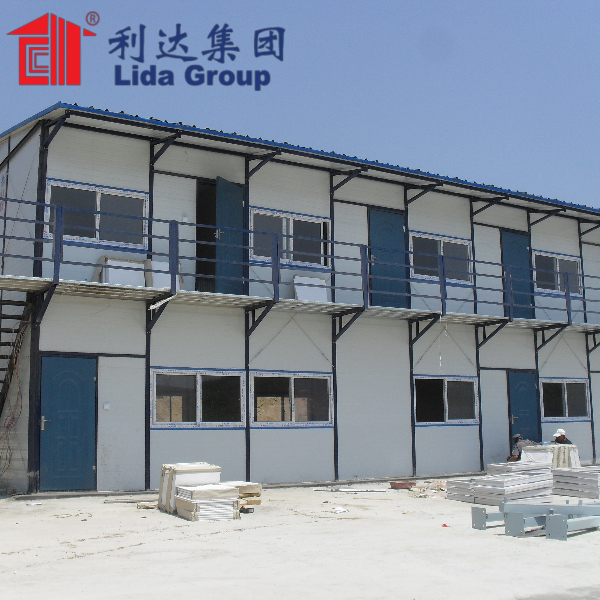
Labor camps are temporary housing solutions designed to accommodate workers, often in industries such as construction, oil and gas, agriculture, and mining. These camps are intended to provide essential living conditions for employees who may be stationed away from their homes for extended periods. The design and quality of these accommodations significantly impact worker morale, productivity, and overall well-being.
Importance of Effective Labor Camp Design
Effective labor camp design is crucial for several reasons:
- Worker Satisfaction: Comfortable living conditions contribute to higher morale and job satisfaction, directly affecting productivity.
- Health and Safety: Proper design ensures that health and safety standards are met, reducing the risk of accidents and illnesses.
- Efficient Use of Space: Innovative designs maximize space utilization, providing necessary amenities without overcrowding.
- Cost Efficiency: Well-planned labor camps can lower operational costs by reducing maintenance and utility expenses.
Lida Group’s Prefabricated Approach
Company Overview
Lida Group specializes in modular and prefabricated construction, focusing on delivering high-quality housing solutions that meet the needs of modern industries. With a commitment to innovation and sustainability, Lida Group has established itself as a trusted provider of labor camp designs that prioritize worker comfort and efficiency.
The Prefabricated Construction Process
Lida Group’s prefabricated approach involves several key steps:
- Design and Planning: Utilizing advanced design software, Lida Group collaborates with clients to create customized labor camp layouts that meet specific requirements.
- Off-Site Manufacturing: Components of labor camps are manufactured in a controlled factory environment, ensuring quality and efficiency.
- Transportation: Once completed, the modules are transported to the construction site, ready for quick assembly.
- On-Site Assembly: Skilled teams assemble the prefabricated units on-site, minimizing disruption and ensuring a swift project timeline.
Benefits of Lida Group’s Innovative Labor Camp Designs
1. Enhanced Worker Comfort
Comfort is a critical factor in labor camp design, and Lida Group excels in creating living spaces that prioritize the well-being of workers:
- Private Living Quarters: The design includes individual or shared accommodations that provide personal space, allowing workers to relax and recharge after a long day.
- Modern Amenities: Lida Group’s labor camps are equipped with essential amenities such as kitchens, bathrooms, and communal areas, significantly improving the quality of life for residents.
- Thoughtful Layouts: The arrangement of living spaces, common areas, and recreational facilities is carefully planned to foster community interaction while ensuring privacy.
2. Speed of Construction
The speed of construction is a significant advantage of prefabricated labor camps:
- Rapid Assembly: With components manufactured off-site, Lida Group can assemble labor camps quickly, allowing companies to accommodate workers in a timely manner.
- Concurrent Processes: While modules are being built, site preparation can occur simultaneously, further reducing the overall construction timeline.
- Reduced Downtime: For industries that rely on a steady workforce, the ability to deploy labor camps rapidly minimizes downtime and keeps projects on schedule.
3. Cost-Effectiveness
Cost considerations are paramount in labor camp construction, and Lida Group’s innovative designs offer significant savings:
- Lower Construction Costs: The use of prefabricated materials reduces labor and material costs, making it a more affordable solution for companies.
- Operational Efficiency: Modular designs can lead to lower maintenance and utility expenses, contributing to long-term savings.
- Scalability: The flexibility of modular construction allows companies to expand or contract the labor camp as needed, aligning costs with workforce requirements.
4. Sustainability
Sustainability is an integral part of Lida Group’s approach to labor camp design:
- Eco-Friendly Materials: Lida Group prioritizes the use of sustainable and recyclable materials in its construction processes, reducing environmental impact.
- Energy Efficiency: The design of labor camps incorporates energy-efficient systems, such as high-quality insulation and energy-saving appliances, lowering energy consumption.
- Reduced Waste: The controlled manufacturing process minimizes waste, as materials can be precisely measured and cut, contributing to more sustainable construction practices.
5. Health and Safety
Worker health and safety should be a priority in any labor camp design:
- Compliance with Standards: Lida Group ensures that all labor camps meet local and international health and safety regulations, providing a safe living environment for workers.
- Quality Air and Ventilation: Advanced ventilation systems are incorporated to ensure good air quality, reducing the risk of respiratory illnesses.
- Safe Construction Practices: The modular construction process minimizes on-site hazards, creating a safer environment during the building phase.
6. Flexibility and Adaptability
Flexibility is a hallmark of Lida Group’s labor camp designs:
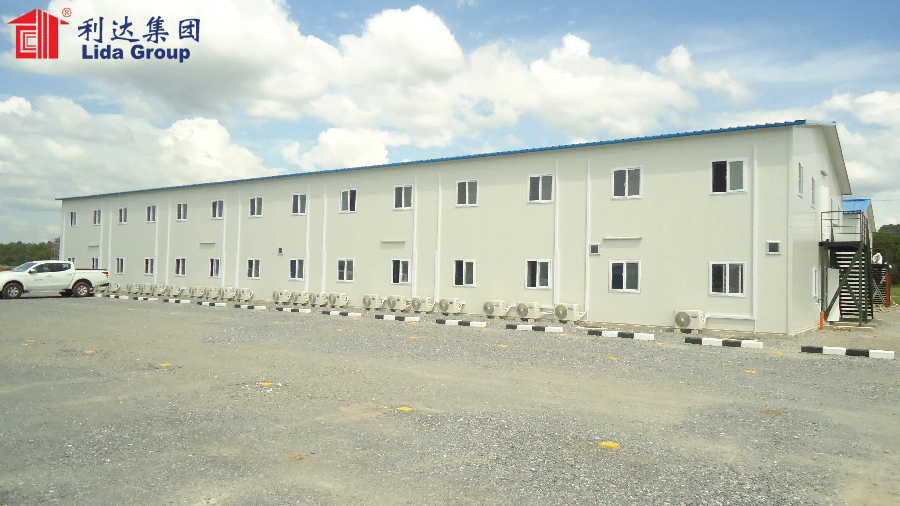
- Customizable Layouts: Each labor camp can be tailored to meet the specific needs of the workforce, including the number of occupants, layout preferences, and amenities.
- Expandable Units: As workforce demands change, modular designs allow for easy expansion or contraction, ensuring that the labor camp can adapt to fluctuating needs.
- Mobility: If a project site changes, modular labor camps can often be disassembled and relocated, providing a versatile housing solution.
7. Improved Community and Social Interaction
Creating a sense of community among workers is essential for morale and productivity:
- Common Areas: Lida Group’s designs include communal spaces where workers can gather, socialize, and engage in recreational activities, fostering a sense of belonging.
- Recreational Facilities: Incorporating amenities like gyms, lounges, and outdoor spaces encourages physical activity and social interaction, contributing to overall well-being.
- Supportive Environment: A well-designed labor camp can help reduce feelings of isolation, enhancing workers’ mental health and job satisfaction.
Case Studies: Successful Implementation of Lida Group’s Labor Camp Designs
Case Study 1: Construction Project in Remote Location
Challenge: A construction company needed to house a large workforce in a remote area with limited access to traditional housing options.
Solution: Lida Group designed a modular labor camp that included individual units, shared kitchens, and recreational facilities. The camp was tailored to accommodate the unique needs of construction workers.
Outcome: The labor camp was completed ahead of schedule, providing comfortable living conditions for over 200 workers. Feedback indicated a significant improvement in morale and productivity, with workers appreciating the quality of their accommodations.
Case Study 2: Oil and Gas Workforce Housing
Challenge: An oil and gas company faced challenges in providing housing for its workforce during peak production periods, leading to high turnover rates.
Solution: Lida Group developed a prefabricated labor camp designed to accommodate seasonal workers efficiently. The design included modern amenities and communal spaces for relaxation and socialization.
Outcome: The labor camp was deployed quickly, reducing turnover rates and improving worker satisfaction. The company reported increased productivity and a more stable workforce, contributing to improved project outcomes.
Case Study 3: Agricultural Labor Camp
Challenge: A large agricultural operation required temporary housing for seasonal workers during peak harvest times, but traditional housing methods were inadequate.
Solution: Lida Group implemented modular housing solutions that allowed for flexible configurations based on workforce size and needs. The design included easy access to shared facilities and outdoor spaces.
Outcome: The modular labor camp was assembled quickly, providing comfortable accommodations for workers. The flexibility of the design allowed for smooth transitions between seasons, enhancing overall efficiency.
The Future of Labor Camp Designs
Technological Innovations
The future of labor camp designs will be influenced by ongoing technological advancements:
- Smart Technology Integration: Future labor camps may incorporate smart technology for energy management, security, and resident comfort, enhancing the living experience for workers.
- Building Information Modeling (BIM): The use of BIM will improve design accuracy and collaboration, leading to higher-quality modular housing solutions.
Enhanced Sustainability Practices
As environmental concerns grow, the demand for sustainable labor camp solutions will increase:
- Renewable Energy Sources: Future designs may include solar panels and other renewable energy sources, promoting energy independence and sustainability.
- Sustainable Materials: The use of innovative, eco-friendly building materials will become more prevalent, further reducing the environmental impact of labor camp construction.
Global Expansion of Modular Labor Camps
The demand for modular labor camps is expected to grow globally as industries seek efficient housing solutions:
- Emerging Markets: Developing countries with rapidly growing workforces will increasingly turn to modular solutions to meet housing needs.
- Cultural Adaptation: Modular designs can be customized to fit local architectural styles and cultural preferences, making them suitable for diverse markets.
Conclusion
Lida Group’s innovative approach to labor camp design through prefabricated construction is transforming how industries accommodate their workforce. By prioritizing worker comfort, speed of construction, cost-effectiveness, and sustainability, Lida Group is setting new standards in labor camp solutions.
As the demand for efficient and adaptable housing continues to rise, modular labor camps will play an increasingly vital role in various industries. By investing in innovative designs and sustainable practices, companies can enhance worker satisfaction, improve productivity, and contribute to a more sustainable future.
In a world where the well-being of workers is paramount, Lida Group’s prefab labor camps represent a progressive approach to addressing the challenges of modern labor accommodation. Through thoughtful design and a commitment to quality, they are paving the way for a new era of labor camp construction that prioritizes both efficiency and human comfort.
Contact Us
Post time: Feb-24-2025